Education with a modern twist
Change is the only constant, creating core values a key. How can we prepare ourselves and our children for a world shaken by unprecedented upheavals and radical certainties? What professional skills should we have in order to find employment, create economic growth, understand our surroundings and find our way through the maze of life?
At one time, almost all school systems in the world set their curricula based on the accumulation of knowledge. In the past, this methodology made sense because information was scarce. There was no radio, television, social media, etc. In the 21st century, however, we are overwhelmed by an inordinate amount of information that we often cannot even control. In such a context, the last thing a young person needs is more information, often also full of personal opinions. Instead, the youth is in dire need of critical tools to interpret information, to pre-distinguish what is important from what is irrelevant. The decisions we make over the next few decades will condition the future of life and we may only make those choices based on our current worldview.
If today's generation fails to take an overall view of the cosmos, the future will be decided by chance, or rather by lobbies.
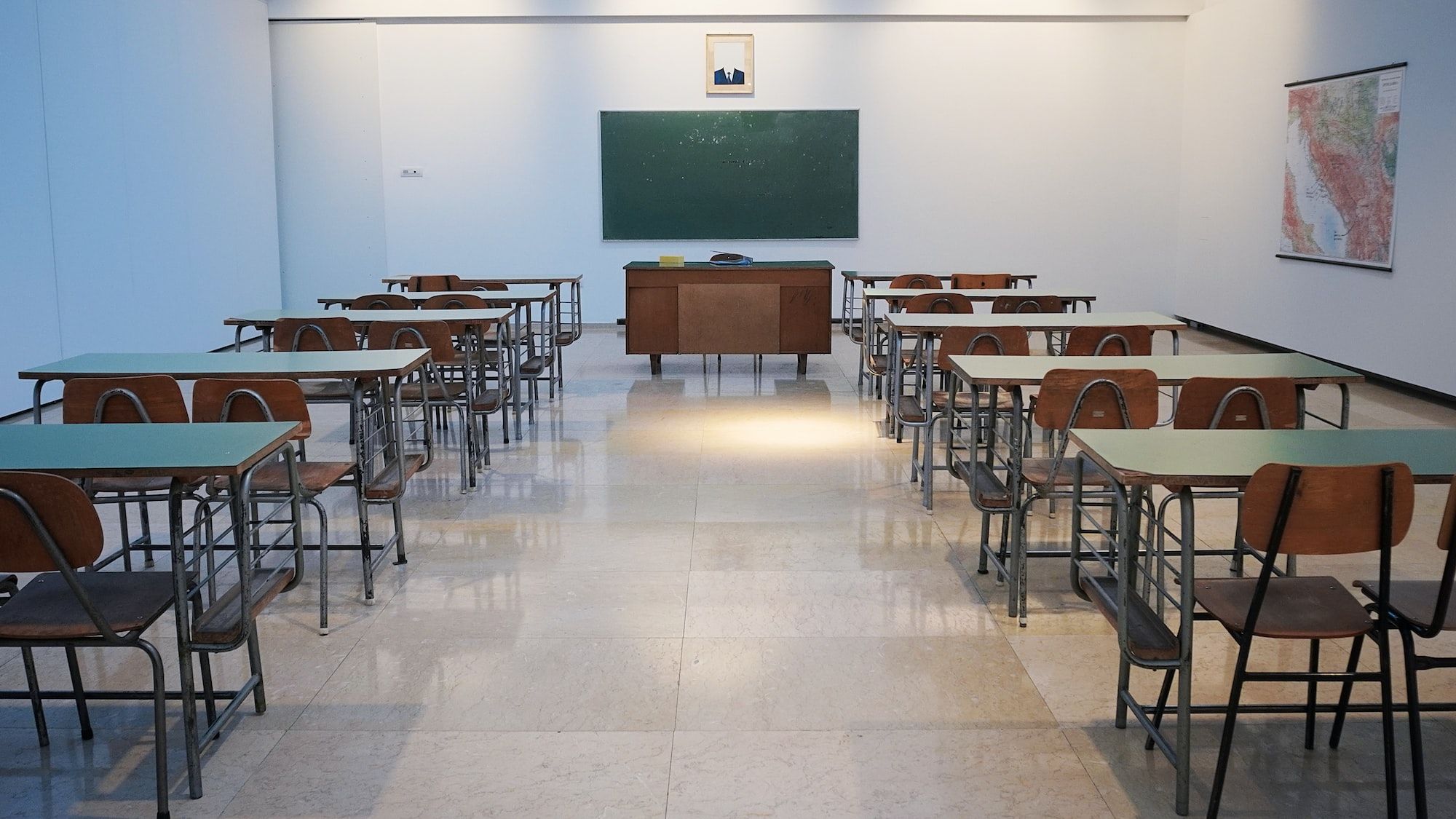
What should we teach at school?
Some professionals, such as pedagogical experts, say the 4Cs rule, criticism, communication, creativity and collaboration. They should reduce specific technical knowledge and develop skills more related to the practicality of life, also called 'soft skills'. Some of the most important ones will be the ability to distinguish events from representations, the ability to be able to read one's emotions and turn them into feelings, the ability to manage change and remain curious to learn new things.
Since time immemorial, life has been divided into two phases, a period of learning, followed by a period of work. Even afterwards, one continues to learn new things, but these are only minimal cognitive increments of already well-established skills. Since time immemorial, life has been divided into two phases, a period of learning, followed by a period of work. Even afterwards, one continues to learn new things, but these are only minimal cognitive increments of already well-established skills.
Life will be punctuated by many different periods and the spaces of continuity between one phase and the next will become increasingly smaller. "Who am I?" will be a more urgent and complex question than ever before. Finding a purpose, a meaning in life, will be increasingly important. heavy and aggressive forms of depression and stress are likely to follow from this. Especially the older you get, due to neurological reasons, the less malleable your thinking is compared to a teenager.
Teaching children to embrace the unknown is much more difficult than teaching them an equation.
Teachers, as well as the school system, lack mental flexibility because they are also a product of the old education system. I think that so far there is no credible alternative.
It is essential to restructure the focus on what is and will be important in the near future to teach, to make it depend on ourselves what we want in life, what to believe and not to believe in.
Educating future generations in a different way so as not to be unprepared when it is they who will have to educate the generations to come. is an arduous and intriguing task, but one that represents a fundamental pillar of human civilisation; education.